




Description
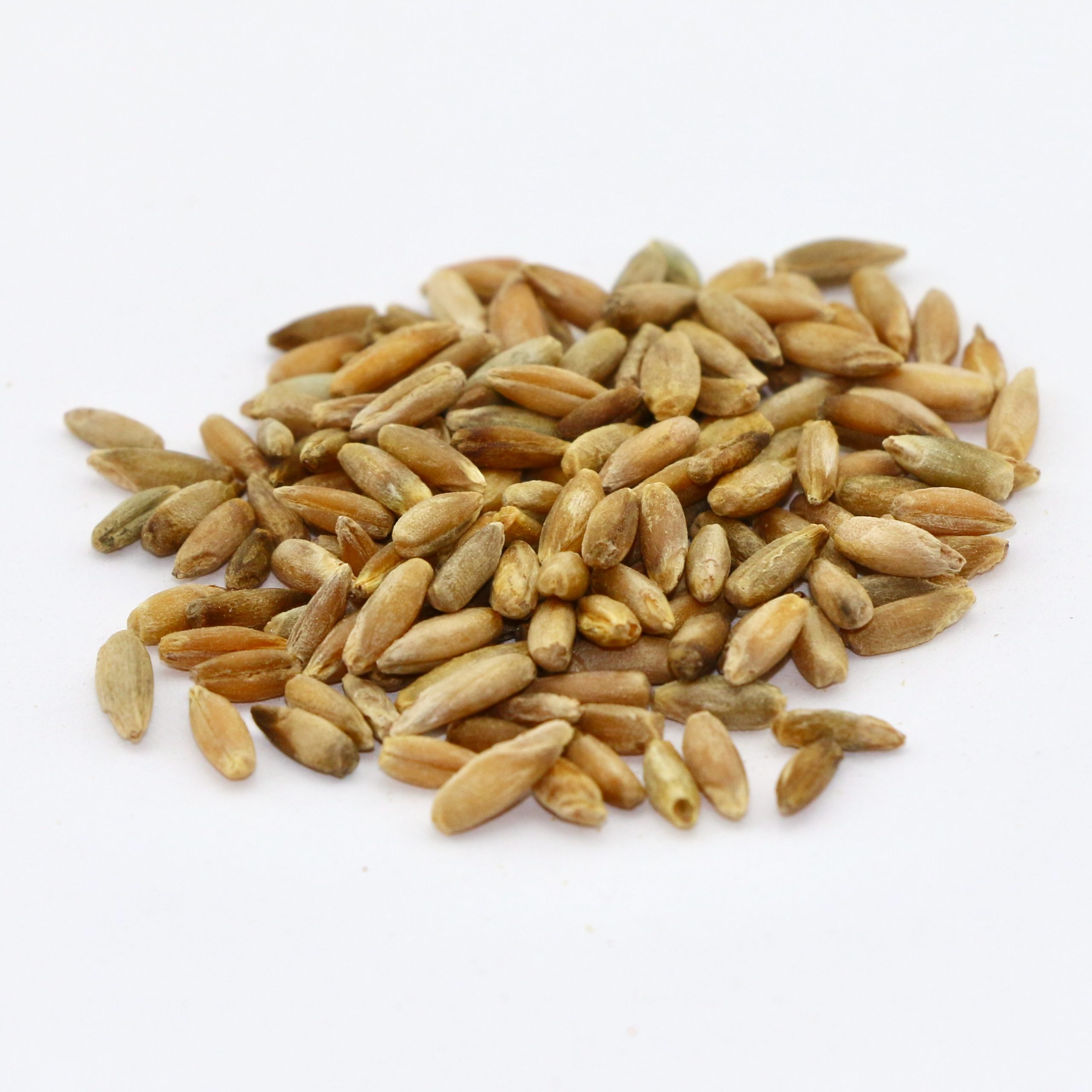
Whole rye seeds offer numerous health benefits due to their high fiber content and nutrient profile. They are known to aid digestion, help manage blood sugar levels, and may reduce the risk of certain cancers and heart disease. Rye also tends to be more filling than wheat and can be a good choice for weight management.
Here’s a more detailed look at the benefits:
Digestive Health:
- High in Fiber: Whole rye is rich in both soluble and insoluble fiber, which are crucial for digestive health.
- Aids Digestion: Fiber promotes regular bowel movements and can help prevent constipation.
- May Reduce Risk of Digestive Issues: Studies suggest that a high-fiber diet, including rye, can lower the risk of conditions like ulcers, colon cancer, and even breast cancer.
Blood Sugar Management:
-
Lower Glycemic Index:Rye has a lower glycemic index than many other grains, meaning it causes a slower and more gradual rise in blood sugar levels.
-
May Improve Insulin Sensitivity:Rye consumption has been linked to better insulin sensitivity, which is important for managing and preventing type 2 diabetes.
Heart Health:
-
Lowers Cholesterol:Soluble fiber in rye can help lower LDL (“bad”) cholesterol levels, reducing the risk of heart disease.
-
May Improve Heart Rhythms:Potassium, found in rye, is an important electrolyte for maintaining healthy heart rhythms.
Weight Management:
-
Increased Satiety:The high fiber content of rye can help you feel fuller for longer, potentially aiding in weight loss.
-
May Help Control Blood Sugar:By regulating blood sugar levels, rye can help prevent energy crashes and reduce cravings.
Other Potential Benefits:
- May Reduce Cancer Risk: Some studies suggest that rye consumption may be associated with a reduced risk of certain cancers, particularly colon and prostate cancer.
- Rich in Nutrients: Rye contains various vitamins and minerals, including B vitamins, iron, and antioxidants, which contribute to overall health.
- May Improve Skin Health: Rye has been linked to reduced fine lines and wrinkles.
- May Help Prevent Gallstones: Rye has been linked to a reduced risk of gallstones.
- Anti-inflammatory Properties: Rye’s antioxidant content may contribute to reduced inflammation in the body, potentially lowering the risk of chronic diseases.
Important Considerations:
-
Gluten Content:Rye does contain gluten, so it’s not suitable for individuals with celiac disease or gluten sensitivity.
-
Moderation:While rye is a healthy addition to the diet, it’s important to consume it in moderation as part of a balanced diet.
-
Preparation:Whole rye berries can be cooked like rice or added to soups and salads. Rye flour can be used to make bread, crackers, and other baked goods.